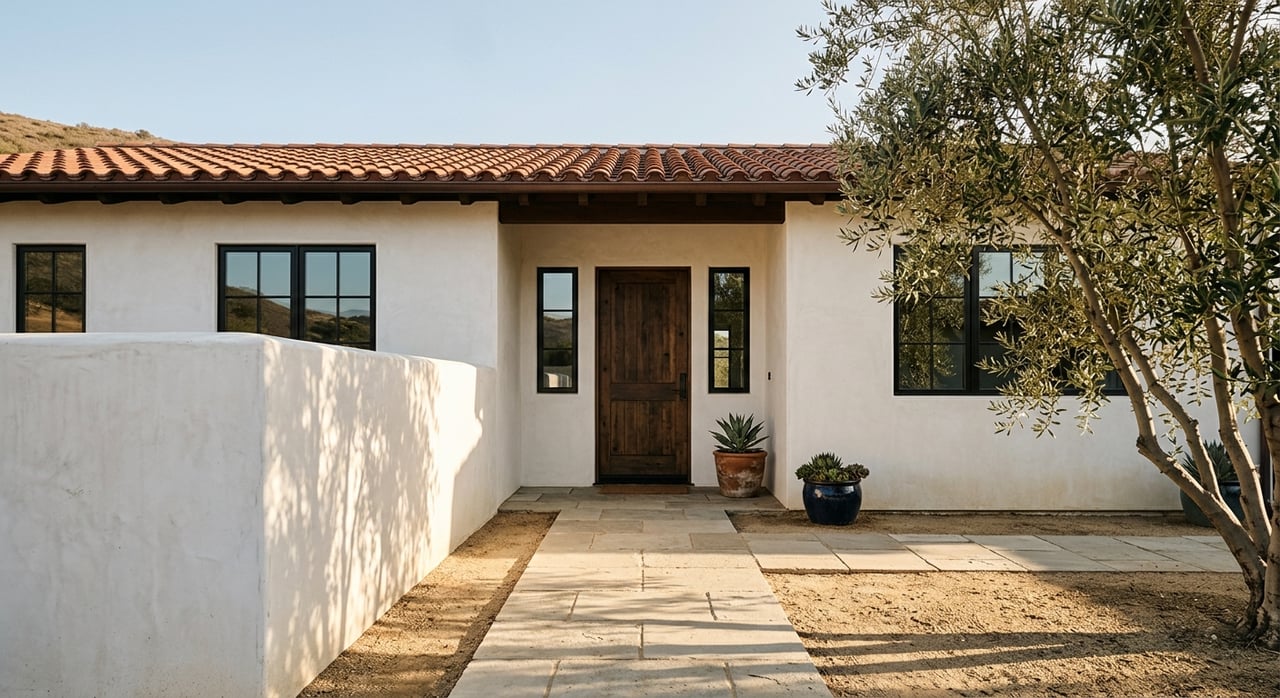
Dreaming of vineyard views, more space, and a slower pace without giving up access to city conveniences? Living in Temecula’s Wine Country offers a version of Southern California life that feels both relaxed and connected. If you are curious about what day-to-day life really looks like here, this guide will walk you through the setting, commute patterns, housing, amenities, and lifestyle so you can decide whether it fits what you want. Let’s dive in.
Wine Country feels rural, but not remote
Temecula’s Wine Country is not a compact, walkable neighborhood in the usual sense. It is a large wine region of more than 33,000 acres with nearly 50 wineries, and most of them are clustered east of I-15 along Rancho California and De Portola Roads.
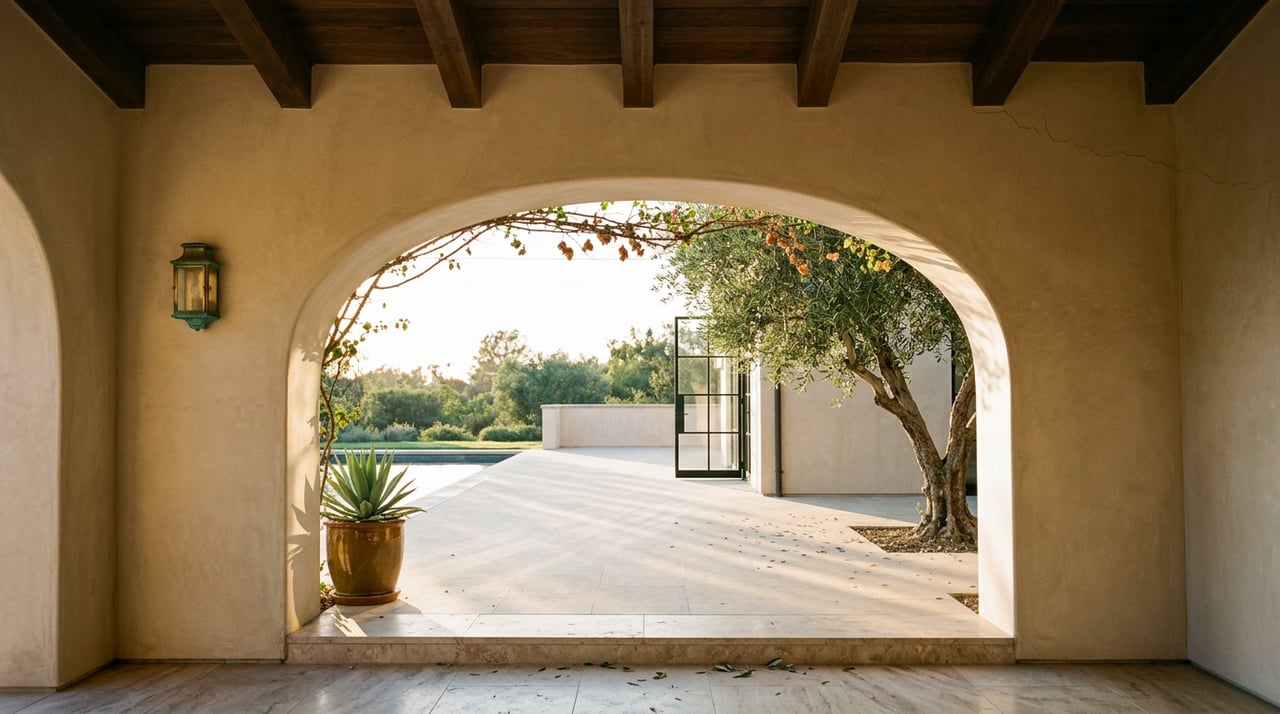
That scale shapes daily life. Instead of dense blocks and corner stores, you get vineyard-covered hills, open skies, and a lower-density layout that feels more spread out and residential. The area is also known for warm days, cool nights, and ocean breezes, which help define both the scenery and the rhythm of the day.
Riverside County’s planning framework reinforces that identity. The area includes Winery, Equestrian, and Residential districts designed to preserve the region’s rural and equestrian character while supporting permanent estate-lot homes.
Daily life has a destination feel
One thing that makes Temecula’s Wine Country different is that you do not live in a purely residential pocket. The region draws nearly 3 million visitors each year, and Wine Country, Old Town Temecula, and Pechanga Resort Casino are all within minutes of one another.
That means your everyday backdrop includes hospitality, events, and tourism. Wineries, tasting rooms, restaurants, lodging, and event venues are part of the area’s normal landscape, so the mood can feel more like a lifestyle destination than a standard suburban edge community.
For some buyers, that is a major plus. You are living in a place people travel to experience, while still having a home base that offers more land and breathing room than many other parts of Southern California.
Expect a car-first lifestyle
If you are considering a move here, it helps to go in with realistic expectations about transportation. Temecula is off I-15 and is roughly 60 minutes from San Diego, Orange County, and Palm Springs, and about 90 minutes from Los Angeles.
Many residents live regionally rather than work only in Temecula. The city’s 2026 economic report puts the average commute at 37.8 minutes, and 54.4% of workers commute to another city.
Public transit is available, but it does not define daily mobility in Wine Country. Riverside Transit Agency serves Temecula with local and commuter routes, including Route 79 and Route 206 to the Corona Transit Center and Metrolink, and the city also offers Dial-A-Ride for eligible seniors and residents with disabilities.
Still, for most households, a car is part of daily life. That is especially true in Wine Country, where homes, wineries, trails, and services are spread out across a large area.
Traffic is part of the picture
Like many Southern California communities, traffic matters here. The city is working on corridor improvements, including I-15 auxiliary lane work and the French Valley Parkway interchange project, aimed at reducing evening congestion.
That does not erase commute time, but it does show that infrastructure improvements are part of the local conversation. If you work outside Temecula, your route and schedule will be an important part of your home search.
Old Town anchors everyday amenities
While Wine Country has its own strong identity, Old Town Temecula often serves as the in-town hub for errands, dining, and outings. The city describes Old Town as a district with historic buildings, antique dealers, unique shopping, and restaurants.
It also offers practical and cultural amenities that support everyday living. You will find the Saturday farmers market, the Temecula Valley Museum, and Pennypickle’s Workshop Children’s Museum there.
Beyond Old Town, Temecula also has community centers, libraries, parks, a skate park, a pump track, and the Old Town Temecula Community Theater. So even if your home life feels more rural, you are not cut off from town amenities.
Outdoor living is a big part of the appeal
If you enjoy being outside, Temecula’s Wine Country has a lot working in its favor. The city has about 97 miles of bike lanes and close to 22 miles of trails, which adds to the area’s active, open-air feel.
Nearby natural destinations expand those options even more. The Santa Rosa Plateau Ecological Reserve covers roughly 7,500 acres of oak woodland, chaparral, and native grassland, with opportunities for hiking and wildlife viewing.
Lake Skinner Recreation Area is also within a short drive and offers camping, picnicking, hiking, horseback riding, sailing, and fishing. In other words, outdoor recreation is not just an occasional weekend feature here. It is woven into the local lifestyle.
Equestrian activity is part of the environment
Wine Country’s rural setting is not just visual. The winery association notes that horseback riders are a normal part of the road environment, which speaks to the area’s equestrian character.
That can be a real lifestyle fit if you want more space and a setting that feels less suburban. It also means you should expect a slower, more country-style road experience in some areas.
Homes tend to offer more space
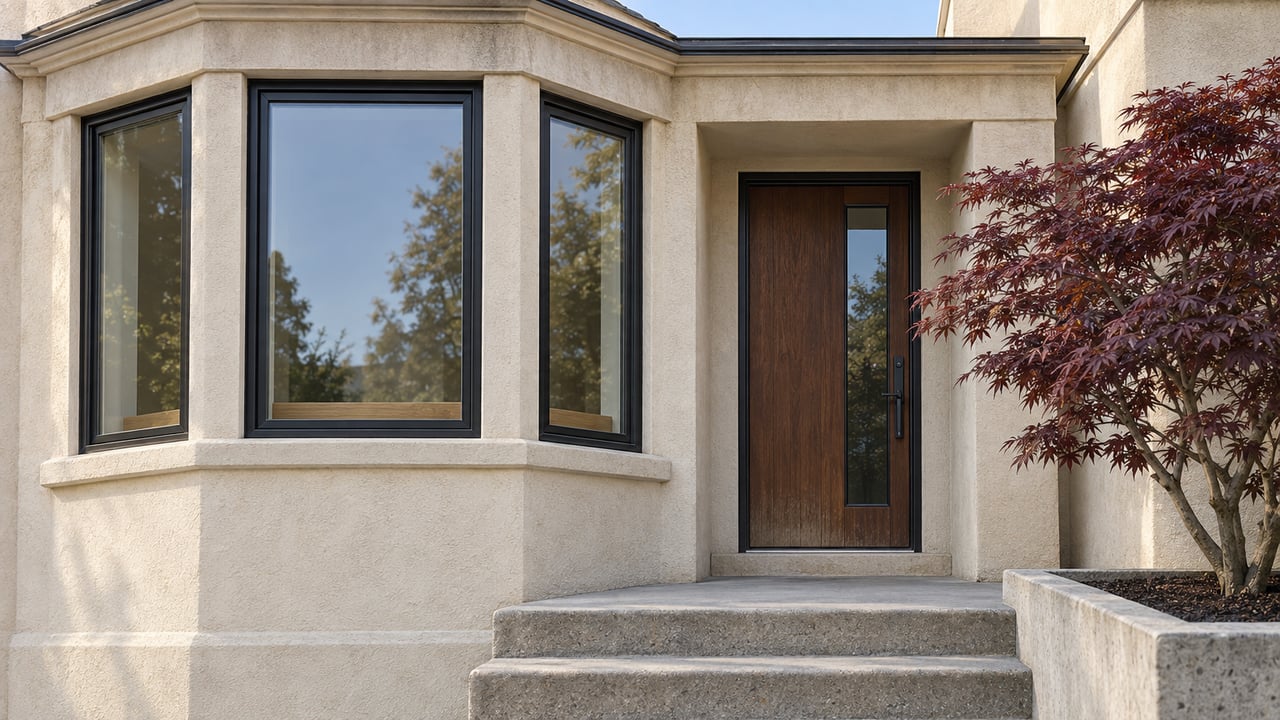
Temecula’s broader housing stock leans heavily toward detached homes. According to the city’s 2026 economic report, 72.0% of housing units are single-family detached, and the homeownership rate is 63.1%.
That matters because many buyers assume all of Southern California is dominated by denser housing. In Temecula, and especially in Wine Country, the housing pattern is more space-oriented and less apartment-dense than many people expect.
Median ownership costs are reported at $3,008 per month, and overcrowding is low. For buyers focused on room to spread out, that can be a useful point of comparison.
Wine Country homes are often more site-specific
Housing in the wine-country districts is shaped by rural zoning and terrain. Riverside County’s policy framework is intended to preserve winery, equestrian, and estate-lot character, and the Residential District is meant to support permanent estate-lot housing.
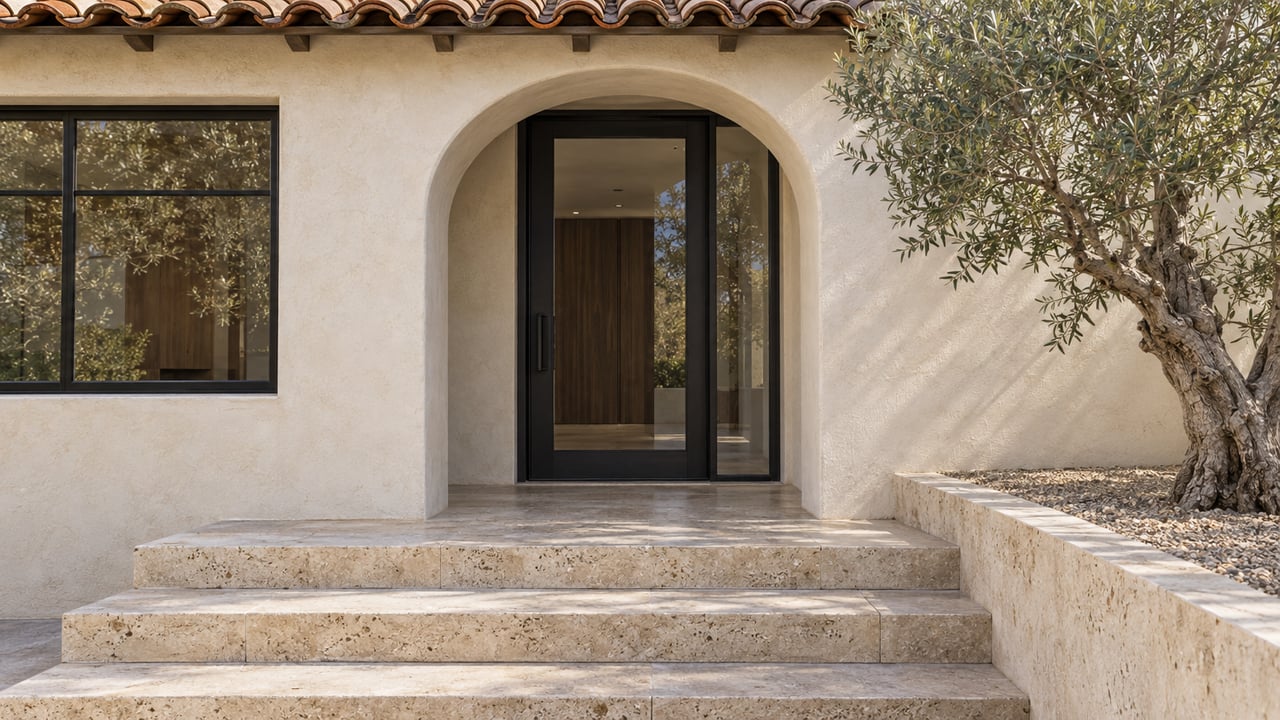
In practical terms, that points to a housing mix with custom builds, larger parcels, and homes that respond to the land rather than a one-size-fits-all subdivision pattern. The city’s Building and Safety department also lists new custom homes as a standard permit category, which supports that picture.
If you are looking for a home with a more tailored feel, this is part of Wine Country’s appeal. Homes here often reflect the landscape in a way that tract neighborhoods typically do not.
ADUs can add flexibility
For some buyers, larger lots also bring flexibility. Temecula allows ADUs and JADUs, which the city defines as small homes on the same lot as a primary residence and converted portions of an existing home.
That may matter if you want guest space, room for multigenerational living, or added separation within a property. The city also notes that new single-family submissions can require grading plans and soils reports, which is another reminder that building in Wine Country often involves working with the terrain.
The pace is relaxed, but not sleepy
Temecula Valley’s climate plays a big role in daily life. Visit Temecula Valley describes cool mornings, warm midday sun, afternoon breezes, and cooler nights, with average summer daytime temperatures in the mid-80s to mid-90s and winter daytime temperatures in the mid-60s to mid-70s.
That pattern supports the kind of lifestyle many buyers picture when they think about Wine Country. Mornings can feel calm and crisp, afternoons are often bright and active, and evenings cool off enough to make outdoor dining and entertaining more comfortable.
At the same time, the area is not sleepy. The local wine scene includes food, live music, winery tours, spa treatments, restaurants, lodging, and event spaces, along with activities like hot-air ballooning, horseback riding, hiking, yoga, and wine tours.
Who Wine Country living suits best
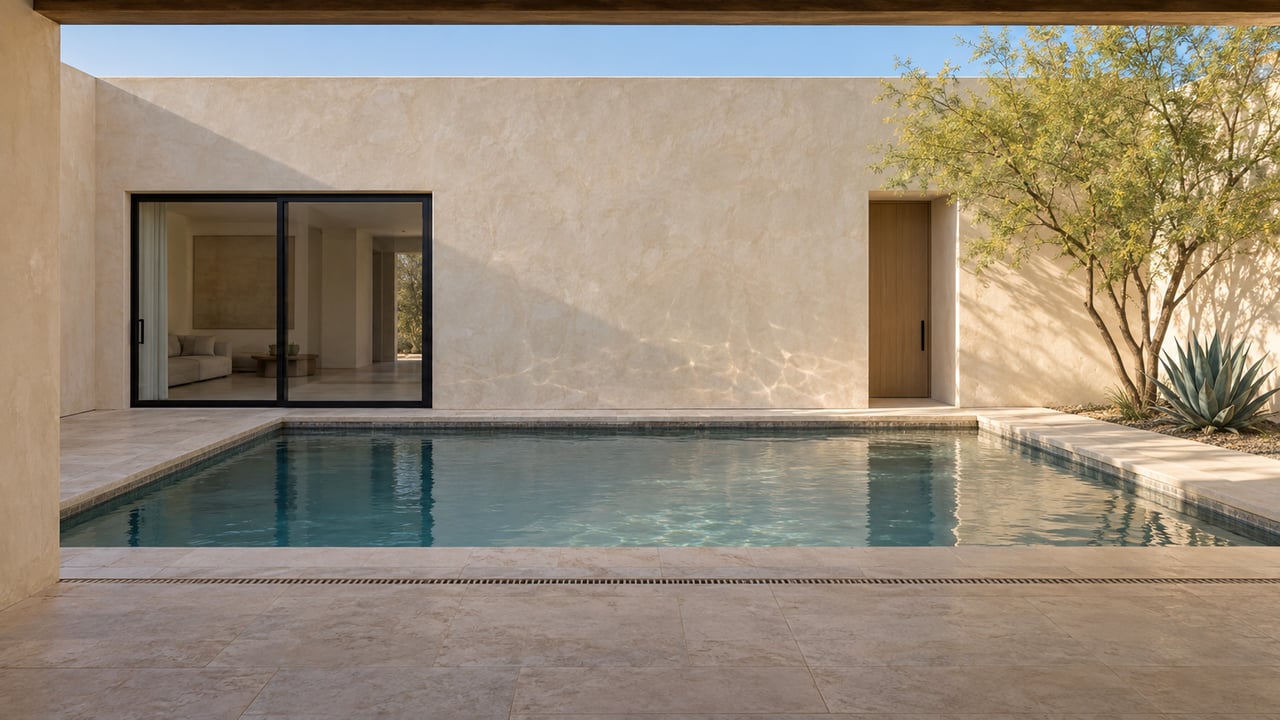
Temecula’s Wine Country tends to fit buyers who want a hybrid lifestyle. You get a residential setting with more land, a rural backdrop, and easy access to outdoor recreation, but you also live near a tourism corridor with dining, events, and regular activity.
It can be a strong match if you value privacy, views, detached housing, and a home that feels separate from dense city living. It is also worth considering if you are comfortable with driving as a normal part of your routine.
On the other hand, if you want a highly walkable daily setup where most errands happen on foot, Wine Country may feel too spread out. The appeal here is not convenience in the urban sense. It is space, scenery, and a destination-style atmosphere.
If you are exploring homes in Temecula and want practical guidance on which areas best fit your routine, priorities, and budget, Native Real Estate can help you make sense of the options with clear, local-minded advice.
FAQs
What is Temecula Wine Country like day to day?
- Daily life in Temecula Wine Country feels spacious, rural, and relaxed, with vineyard views, open roads, and a strong hospitality presence from nearby wineries, dining, and events.
Do you need a car to live in Temecula Wine Country?
- Yes, most households will want a car because Wine Country is spread out, many residents commute regionally, and public transit exists but does not shape most daily travel.
What kinds of homes are common in Temecula Wine Country?
- Detached single-family homes are most common, and the wine-country districts often include custom homes, estate-style lots, and properties shaped by the land and rural zoning.
Is Temecula Wine Country more rural or suburban?
- It is best described as a hybrid, with residential living supported by winery, equestrian, and estate-lot character rather than dense suburban or urban-style development.
What amenities are near Temecula Wine Country?
- Old Town Temecula provides many nearby amenities, including restaurants, shopping, museums, a farmers market, community spaces, parks, and entertainment options.
What outdoor activities are available near Temecula Wine Country?
- Residents have access to biking, trails, hiking, wildlife viewing, horseback riding, fishing, sailing, camping, and other recreation in and around Temecula, the Santa Rosa Plateau, and Lake Skinner.