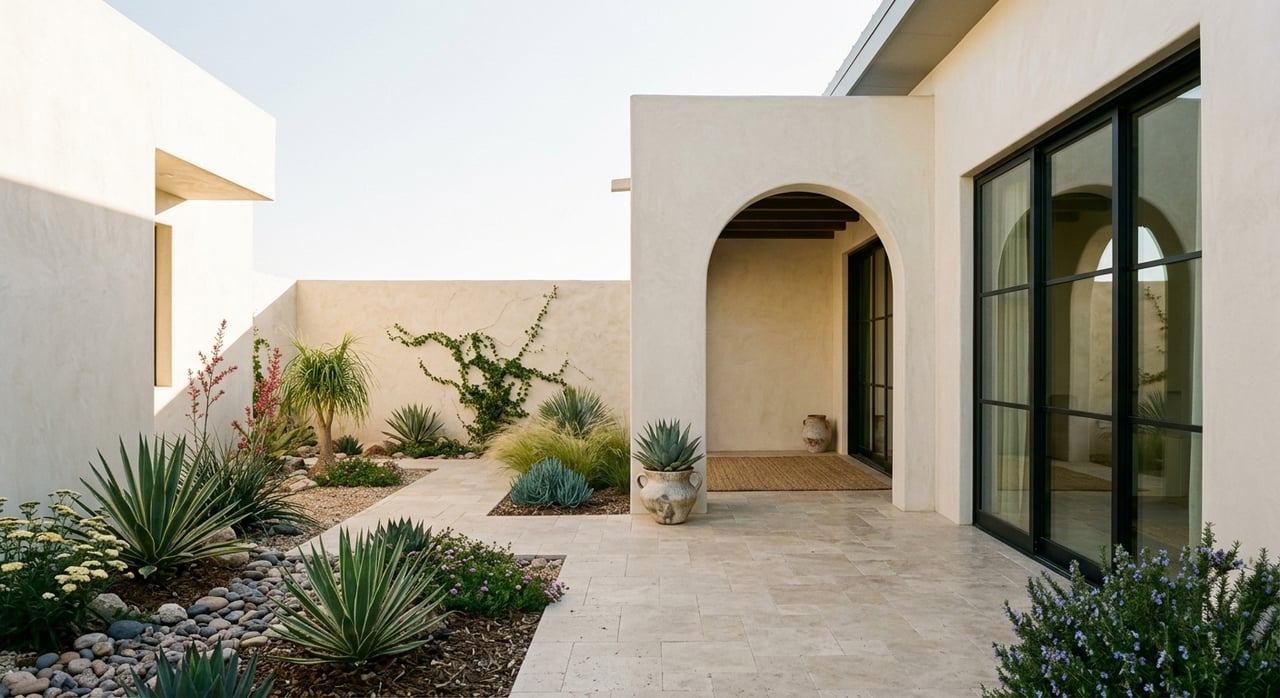
Are you dreaming about winter sun, poolside mornings, and a home base you can return to season after season? A second home in Palm Springs or the Coachella Valley can offer exactly that, but it also comes with practical decisions about property type, maintenance, local rules, and long-term fit. If you are weighing whether this desert market makes sense for your lifestyle and goals, this guide will help you think through the details with clarity. Let’s dive in.
Why buyers look to Palm Springs
Palm Springs sits within the broader Coachella Valley, a nine-city resort region in Riverside County that draws significant visitor activity year-round. Visit Greater Palm Springs reported 14.5 million visitors in 2024, and the City of Palm Springs says the city has nearly 50,000 year-round residents, with the population roughly doubling during the winter snowbird season.
That seasonal rhythm is a big part of the appeal. The area offers more than 300 days of sunshine, with mild winter weather that attracts second-home buyers looking for an easy escape from colder climates. At the same time, summers from June through October can bring temperatures of 100°F and beyond, which shapes how many owners actually use and maintain their homes.
What makes this market different
A second-home purchase here often feels different from buying in a typical suburban market. Palm Springs blends residential living with resort demand, design-focused housing, and a busy events and tourism calendar. The city also reports about 2.5 million overnight visitors annually, so ownership can mean being part of an active destination rather than a quiet, low-traffic environment.
That does not make the market better or worse. It simply means your buying decision should be tied closely to how you plan to use the home, when you expect to be there, and how much activity you want around you during peak season.
Understand the seasonal lifestyle
For many buyers, the best use period centers on the cooler months. Winter and shoulder seasons often align with the most comfortable weather and the most active local lifestyle, which can make a second home feel especially rewarding if you plan to spend meaningful time in the desert during those months.
The flip side is ownership during the hottest part of the year. If you will be away for long stretches in summer, you will want a realistic plan for HVAC servicing, irrigation or landscape care, pool maintenance if the property has one, pest control, and regular property checks.
Choose the right property type
Palm Springs offers several housing options, including single-family homes, condominiums and townhomes, apartments, mobile homes, and ADUs or casitas. According to the city’s general plan, single-family homes are the predominant type, with about 22,210 units.
Condos also play a major role in the market. Palm Springs has 13,511 condos, which is nearly one-third of all homes in the city, and the city notes that many are owned as second homes. That makes condos especially relevant if you want a lock-and-leave setup.
When a condo may fit better
A condo can be a smart option if you want less exterior maintenance and a more streamlined ownership experience. For part-time owners, that can be a major advantage, especially during months when you are not in town.
Still, convenience comes with structure. Condo ownership usually includes HOA fees, CC&Rs, and shared association decisions about common areas, maintenance, and future repairs.
When a single-family home may fit better
A single-family home may be a better match if you want more privacy, more autonomy, or features such as a yard, pool, or a more independent setup. Many buyers also prefer the flexibility that comes with not sharing walls or common spaces.
That said, more autonomy often means more owner-managed upkeep. If the property will sit vacant for part of the year, you will need a dependable plan for ongoing care.
Neighborhood choice matters more than you think
Palm Springs recognizes 52 neighborhood organizations, and ownership experience can vary quite a bit from one area to another. That matters whether you are focused on architecture, maintenance expectations, ease of access, or simply the feel of the immediate surroundings.
Some areas may also involve added review requirements. Palm Springs notes that protected historic buildings require exterior-review oversight, and hillside homes on slopes over 10% face special review requirements as well. If you are drawn to a distinctive property, it is worth understanding any design or approval constraints before you move forward.
Know the role of HOAs and CC&Rs
If you are buying in a condo community, planned development, or subdivision with an HOA, review the governing documents carefully. The California Attorney General states that HOAs make and enforce rules, and residents generally must pay fees and assessments.
Those rules can affect day-to-day ownership more than many buyers expect. CC&Rs may address things like exterior elements, homeowner responsibilities, and property use standards, so you will want to understand both the monthly cost and the practical lifestyle impact.
Why reserve studies matter
The California Department of Real Estate explains that CC&Rs and condo plans help define responsibility for common areas and unit-level items. It also notes that reserve studies help associations plan for major repairs or replacements, such as roofs, exterior paint, and recreation areas.
For a second-home buyer, this matters because the true cost of ownership is not just the purchase price. It also includes how well the community is planning for future maintenance and whether the association appears financially prepared for large projects.
Budget for ownership beyond the mortgage
A desert second home can be wonderfully simple in use, but it is rarely simple in cost. In addition to mortgage, insurance, utilities, and routine upkeep, you may need to account for HOA dues, service vendors, and seasonal care.
Property taxes deserve special attention in California. The California State Board of Equalization notes that a purchase can trigger supplemental property tax bills in addition to the annual bill, so buyers should budget for those closing-related tax adjustments.
Think carefully about rental plans
Many buyers ask whether a second home can also produce occasional rental income. In Palm Springs, that question needs careful local review because the city has specific vacation rental and homesharing rules.
Palm Springs states that vacation rentals and homesharing are allowed only as ancillary and secondary uses of residential property, are limited to single-family dwelling units, and require a registration certificate and operating rules. The city also imposes annual contract limits and neighborhood percentage caps.
Do not assume valley-wide rules are the same
This point is especially important if you are looking beyond Palm Springs proper. Greater Palm Springs is a nine-city region, so rules can differ depending on the local city or county.
If rental flexibility is central to your purchase decision, confirm the specific rules for the exact property and jurisdiction before you buy. A home that works well for personal use may not support the rental strategy you had in mind.
Hosting events has separate rules
Some buyers also imagine using a second home for larger gatherings, celebrations, or hosted events. Palm Springs requires registration and public notice for event houses, which makes this a separate issue from ordinary homeownership.
If entertaining on a larger scale is part of your vision, make sure you understand those standards early in your search. It is much easier to choose the right property from the start than to discover limits after closing.
Match the home to your real use case
The best second-home decisions usually come from honest planning. Before you buy, think through how many weeks or months you expect to use the property, whether you want a low-maintenance setup, and how comfortable you are managing vendors from a distance.
It also helps to think about who will help care for the property when you are away. For some buyers, a condo and HOA-supported environment feels easiest. For others, a single-family home with more space and autonomy is worth the added coordination.
A practical checklist before you buy
Here are a few smart questions to ask as you narrow your options:
- Will you use the home mainly in winter or throughout the year?
- Do you want lower exterior maintenance, or more control over the property?
- Are HOA fees and rules acceptable for your lifestyle?
- Does the property sit in a historic or hillside area with added review requirements?
- If you may rent the home, what do the local city rules allow?
- Who will manage HVAC, landscaping, pool care, and regular property checks while you are away?
- Have you budgeted for supplemental property taxes and ongoing service costs?
A second home in Palm Springs or the Coachella Valley can be a wonderful lifestyle move when the property matches how you actually want to live. With thoughtful planning, clear expectations, and the right guidance, you can buy with more confidence and fewer surprises.
If you are exploring a second-home purchase and want polished, high-touch guidance tailored to your goals, Native Real Estate is here to help you think through the details and move with confidence.
FAQs
Is Palm Springs a strong market for second homes?
- Palm Springs is widely associated with second-home ownership, and Riverside County is among the counties where seasonal, recreational, or occasional-use vacant units outnumber vacant units for rent or sale, which supports that broader pattern.
Is a Palm Springs condo or house better for a second home?
- A condo may offer less exterior maintenance but usually comes with HOA fees and CC&Rs, while a single-family home can offer more autonomy but often requires more owner-managed upkeep.
Can you rent out a second home in Palm Springs?
- Possibly, but Palm Springs has specific rules. The city says vacation rentals and homesharing are limited to single-family dwelling units, require registration, and are subject to operating rules, annual contract limits, and neighborhood caps.
Do Palm Springs neighborhoods vary a lot for second-home buyers?
- Yes. Palm Springs recognizes 52 neighborhood organizations, and ownership experience can differ based on location, property type, and whether an area includes historic or hillside review requirements.
What costs should you plan for with a Palm Springs second home?
- In addition to your mortgage and regular utilities, plan for HOA dues if applicable, maintenance services, seasonal care, and possible supplemental property tax bills after purchase.
What should absentee owners plan for in Palm Springs summers?
- Because summer temperatures can reach 100°F and beyond, part-time owners should plan for HVAC servicing, irrigation or landscape care, pool service if needed, pest control, and periodic property checks while away.